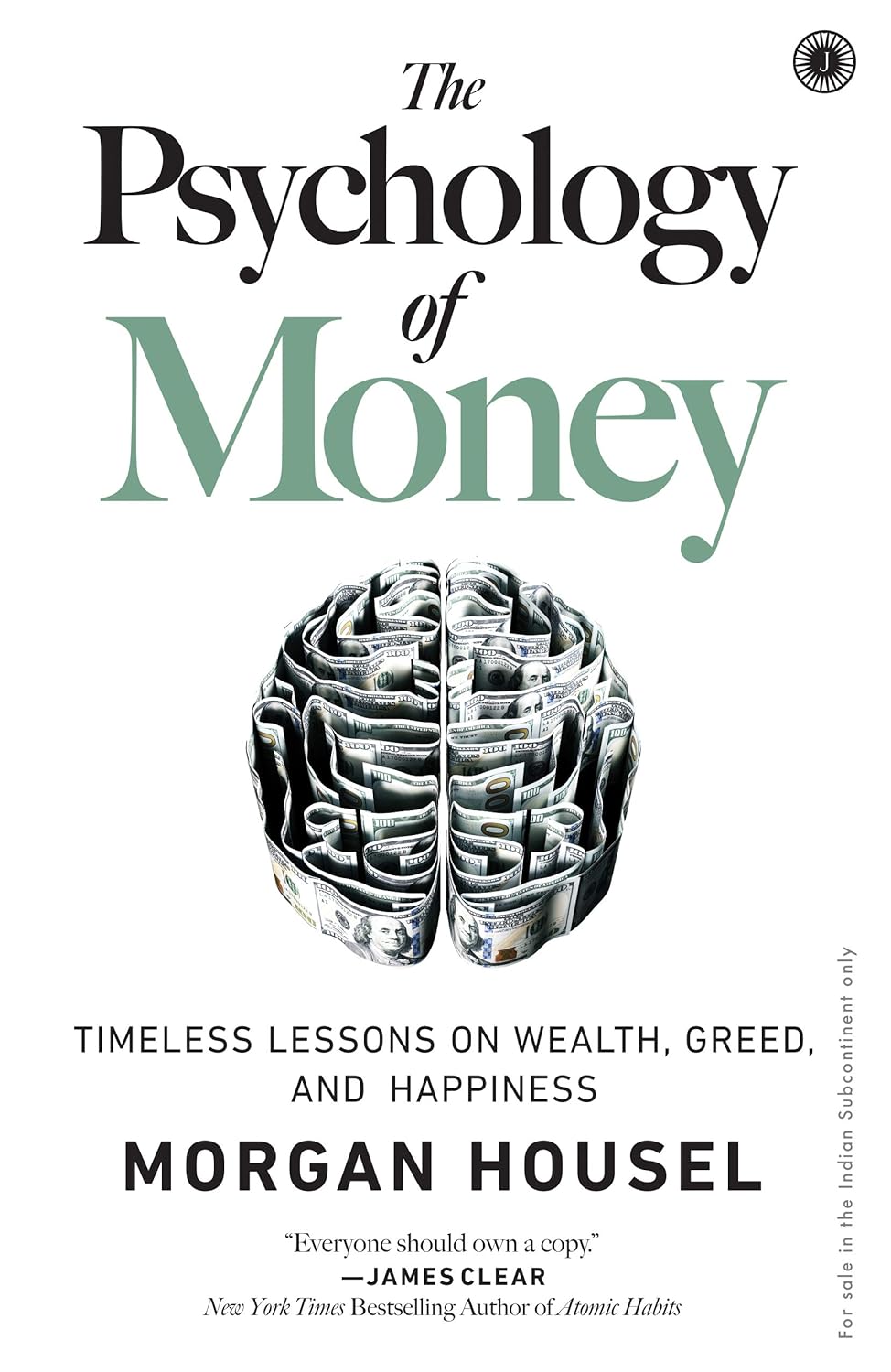
The Psychology of Money
$2.00 USD
Buy now with PayPal — $2.00
Instant access after payment. PokeShani charges 0% platform fees — the creator keeps 100% of every sale. Payment is processed securely by PayPal.
About this product
High-Level Summary
The Psychology of Money argues that financial success is not a hard science driven by formulas and IQ, but a soft skill driven by behavior, mindset, and emotion. Doing well with money has less to do with how much you know and more to do with how you behave. The book explores the strange, often counter-intuitive ways people think about money and teaches you how to make better sense of one of life's most important topics.
---
Core Themes and Key Ideas
The book is structured around 20 short stories, each illustrating a key principle. The most central themes are:
1. The Role of Luck & Risk
You cannot understand success or failure without accounting for the roles of luck and risk.Every financial outcome is guided by forces other than individual effort. The same behaviors can lead to different outcomes for different people. Therefore, be careful emulating the extreme successes (they may have taken unrepeatable risks and gotten lucky) and be wary of judging the failures (they may have been simply unlucky).
2. Never Enough
The hardest financial skill is getting the goalpost to stop moving."Enough" is not a number; it's a state of mind. The world is filled with people who were on the verge of having "enough," but risked it all to get a little more, often losing everything. When "enough" is no longer the goal, the pursuit of more can destroy what you already have.
3. Freedom & Control Over Wealth
The highest dividend money pays is theability to control your time. The feeling of being in control of your life is a more reliable predictor of happiness than your net worth. Financial independence, at its core, is the ability to wake up and say, "I can do whatever I want today."
4. The Power of Compounding
We focus too much on linear growth and underestimate the power of compounding.Warren Buffett's fortune isn't just due to his smart investing; it's a result of being a phenomenal compounder since he was a child. Good investing isn't about earning the highest returns; it's about earning pretty good returns that you can stick with for the longest period of time.
5. Getting Wealthy vs. Staying Wealthy
These require different,often opposing, skills.
· Getting money requires risk-taking, optimism, and leverage.
· Keeping money requires humility, frugality, and paranoia about all you could lose.
Many people who are good at getting money are not wired to keep it.The focus should be on survival and avoiding catastrophic errors.
6. Your Personal Financial Experience
No one is crazy.Everyone operates from a unique "financial worldview" shaped by their personal experiences, especially those from their formative years. A person who grew up during high inflation will think about money differently than someone who grew up during a bull market. Understand your own biases and respect that others have different, equally valid, perspectives.
7. Room for Error & Pessimism
The most important part of every plan is planning on your plan not going according to plan.Always have a margin of safety—a financial cushion that allows you to be wrong and still survive. Optimism sounds great, but it's the pessimists who build robust systems with backups and safety nets that survive unexpected blows.
8. The Seduction of Pessimism
Pessimism sounds smarter and more plausible than optimism.Progress is slow and boring, while setbacks are sudden and dramatic. This makes negative news more captivating, but it's often a misleading guide for long-term financial decisions.
---
Practical Takeaways and Lessons
· Manage Your Behavior, Not Your Money: Your financial plan is less about the math and more about managing your emotions during market swings (greed and fear).
· Increase Your Time Horizon: The longer you can invest without needing to sell, the more powerful compounding becomes and the less risk matters.
· Be Reasonable, Not Rational: A perfectly rational investor is a myth. It's better to be reasonable and stick with a "good enough" plan than to chase a theoretically perfect one that you'll abandon at the worst possible time.
· Define Your "Enough": Decide what you truly need to be happy and secure, and stop moving the goalposts. This prevents catastrophic, greed-driven mistakes.
· Save Money: You don't need a specific reason to save. Savings without a goal provide flexibility and emergency funds, which are the foundation of financial resilience.
· Wealth is What You Don't See: The fancy cars and big houses are often financed by debt. True wealth is the hidden assets, the unspent money, the options and opportunities that financial security provides.
Conclusion
The Psychology of Money is a profound and accessible book that shifts the focus from complex financial models to timeless behavioral truths. Its core message is that financial success is about character, patience, and self-awareness. By understanding the psychological forces at play, you can build a financial life that is not just wealthy, but also resilient, flexible, and meaningful.
Selling your own digital products?
Sell your own digital products on PokeShani with 0% platform fees and payment straight to your PayPal account. Create a free account.